
Founding or leading a business isn’t for the faint of heart, but you wouldn’t know that from the way entrepreneurship has been glamorized over the past decade. The reality of how long ‘overnight success’ actually takes, how often cash gets tight, and how many decisions you carry alone doesn’t make for good headlines. As a founder who has grown both a successful marketing technology company and agency in a very competitive industry, here’s what I wish someone had told me at the start, and what I’d tell anyone starting up or in the middle of it now.
Decisions that worked before will stop working
Every decision you make has a shelf life. What got you from zero to twenty people won’t get you from twenty to fifty and on and on. The choices that felt right two years ago can become the very thing slowing you down today. In software they call this technical debt, but it applies to everything: your pricing model, your org structure, the tools you use, or how information moves through your team. When you don’t address this, you may miss market windows because your systems can’t move fast enough. Build in regular audits of how you’re operating, where you ask yourself what you’d do differently if you were coming in fresh. Also, be willing to undo things that made sense earlier but don’t suit market conditions today, because the longer you leave them, the more painful and expensive the fix becomes.
Who got you here may not get you there
Businesses evolve and sometimes the people or dynamics that worked in one stage don’t fit the next. The mistake I’ve seen is waiting too long to make decisions about “fit for future”. When you avoid these conversations and decisions, projects stall, growth slows, and the people who could actually move things forward, are either hidden or prevented from doing so, or start quietly updating their LinkedIn. Have those conversations and make those decisions early, even when they’re uncomfortable. The people who got you here, don’t always get you there. I’ve found that if you get recruitment right, talent will be everywhere in your organization and you need to ensure you are allowing for the best talent to lead for maximum impact for each stage of growth.
Cash will get tight more often than you expect
It doesn’t matter how good things look from outside, there will be months where cash is tight, and as you grow the swings get bigger because the bets get bigger. It is easy to accelerate investment but harder to slow it down if your revenue predictions are not outpacing your investment. You need to build more buffer than you think you need and need to know your numbers deeply so that you see problems coming quarters before they arrive. Build more runway than feels necessary.
The funding question keeps coming back
Whether to take funding or add more funding and hold less of your company, or retain ownership and self-fund, is a question that comes up more than once. Self-funding can create greater wealth and even feel less stressful in some ways, but you’ll keep questioning the opportunity cost, wondering whether more capital would have unlocked faster growth or different doors. Yet not all money is the same. You can add significant value-add from investment or add significant overhead. If you haven’t thought this through before an investor is sitting across the table, you give away more equity or influence than you needed to, or agree to board terms that limit your options for years. Get clear on what ownership means to you before you’re in the middle of a funding conversation especially if you’re in a tight financial spot. What I have learned is that if you can self-fund and be profitable early, you have more options available to you.
Some weight is yours alone
Some decisions are yours alone to carry. There are choices that only you can make, the ones that cost real money and affect people’s lives and stay with you long after the meeting ends. Your team can advise and debate and offer perspective, but they go home at the end of the day and you’re still holding real financial and legal risk and the emotional and personal impact of decisions…I don’t think there’s a way around this, and accepting that has been more useful than fighting it.
The people who love you won’t fully understand
The people closest to you often can’t see what you’re carrying or how real the opportunity is that you are building for. Nearly everyone in my life, especially in the early years has wished I’d taken an easier path or stayed in the high-income employee working for someone else path. They see first-hand the stress without seeing the thrill of building something from nothing, or the satisfaction when it actually works, or what it means to watch something you created grow into something real. They’re not being unsupportive; they just can’t see it the way you can. What has motivated me is to think about how I can reward those who have supported me through all the early, hard or lean times.
Finding your people changes everything
Which is exactly why joining a Founder’s community has mattered so much. Without it, you face things along when you realize that in fact someone else is going through it too or figured it out two years ago and would have told you over coffee. Some of the best insight and clarity I’ve found has come from being around people going through the same thing, people who don’t need you to explain why it’s hard or why you keep doing it anyway. I started with Innovation Bay Summit group, surrounded by founders building incredible companies, and I am now with Mentornet for CEOs.
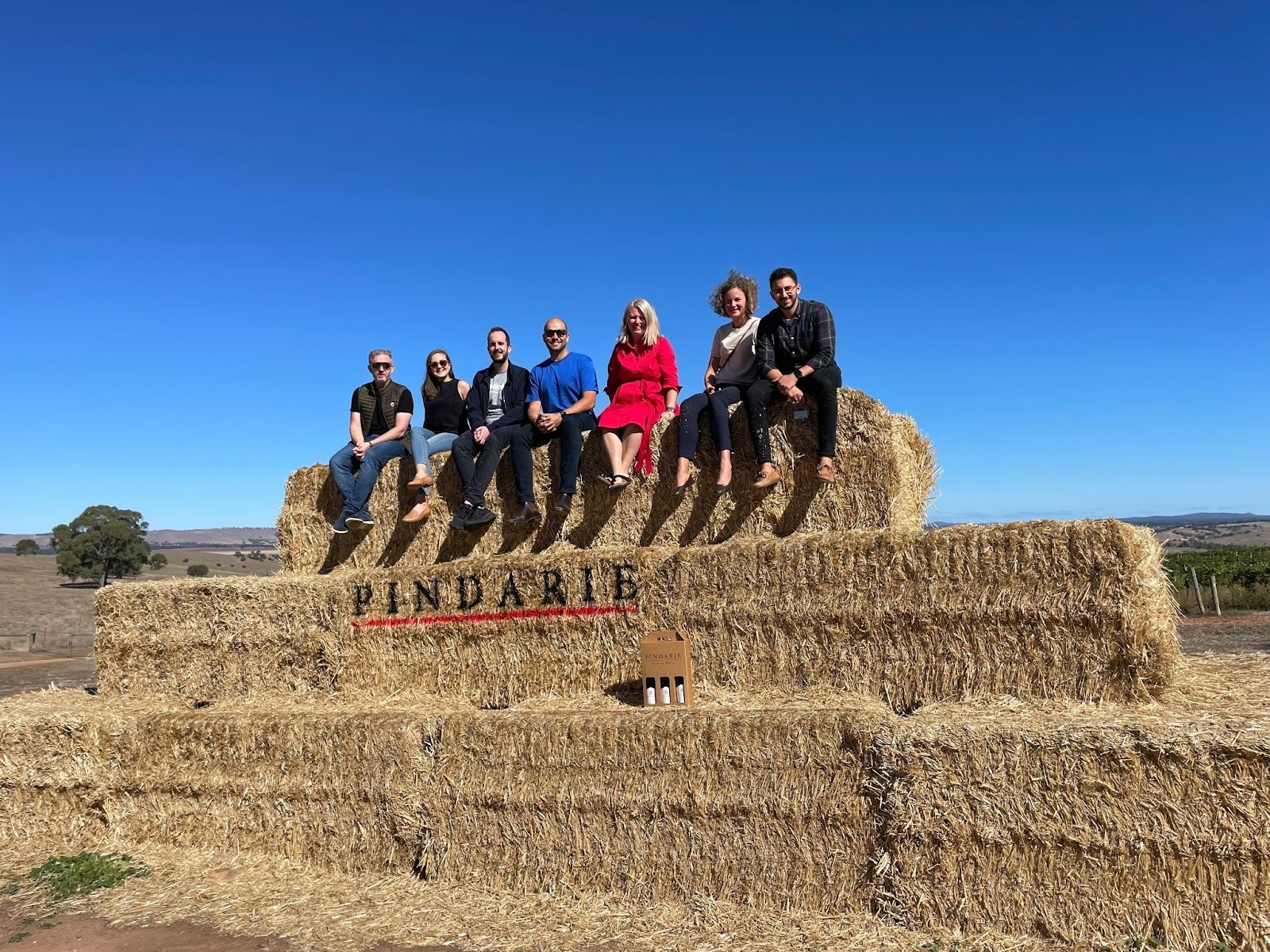
Innovation Bay Summit Blue Clan’s David Walsh, Anna Podolsky, James Ferguson, Adam Theobold, Susie Sugdon, Mina Nada, Noelle Smit (absent from photo)
This isn’t an exhaustive list, and although many Founders will concur with these lessons, your own version of founding or leading a business may look different from mine. Take what resonates, leave what doesn’t, but I highly recommend finding the people who’ll support you on the journey.
If you’re in the middle of any of this right now, I’d love to hear what you’d add or which topic spoke to you.